Concept
eternal imprints
Feb 1 – March 28, 2026
The Barracks Museum, Lahore, Pakistan
THE FUTURE OF ECOLOGY, PRESERVATION AND STORYTELLING
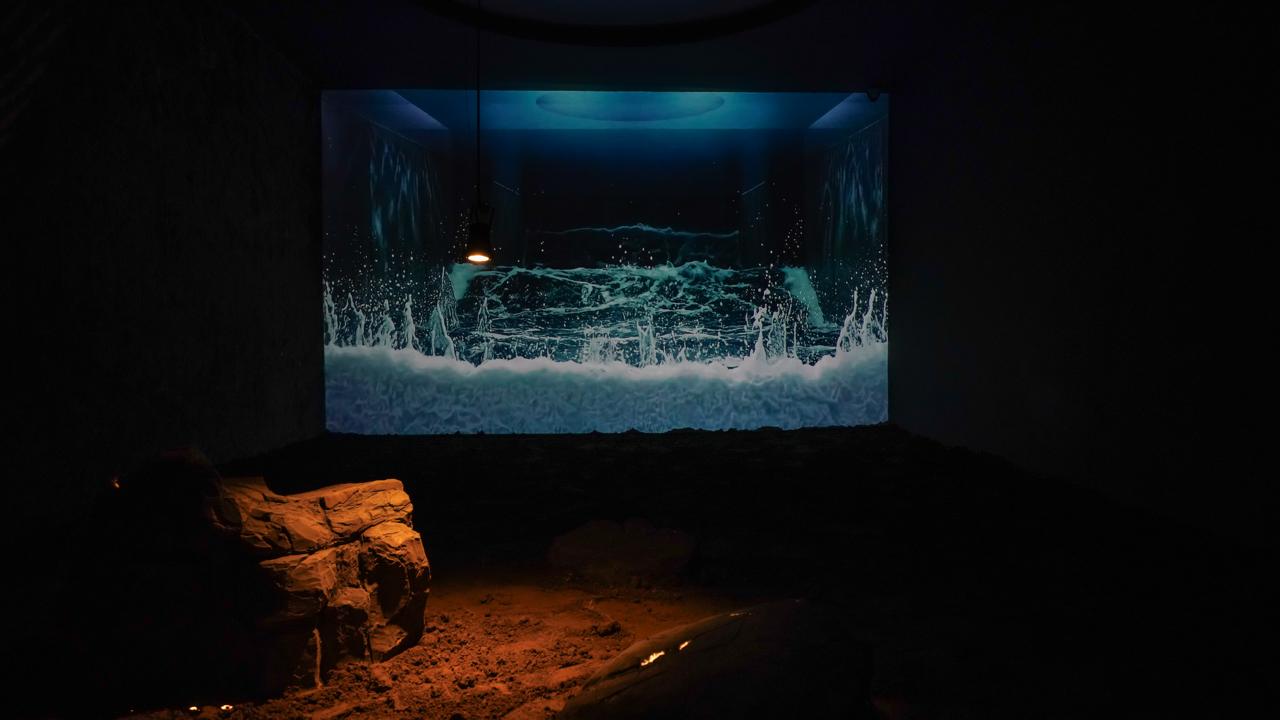
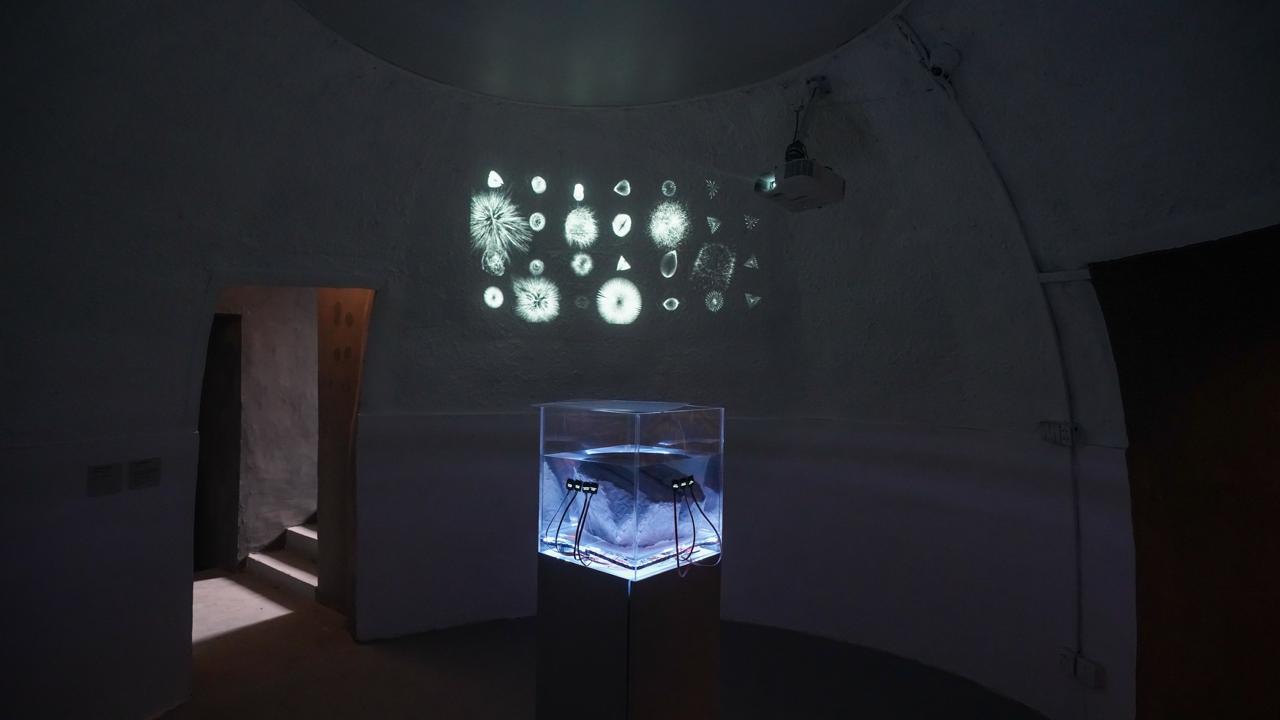
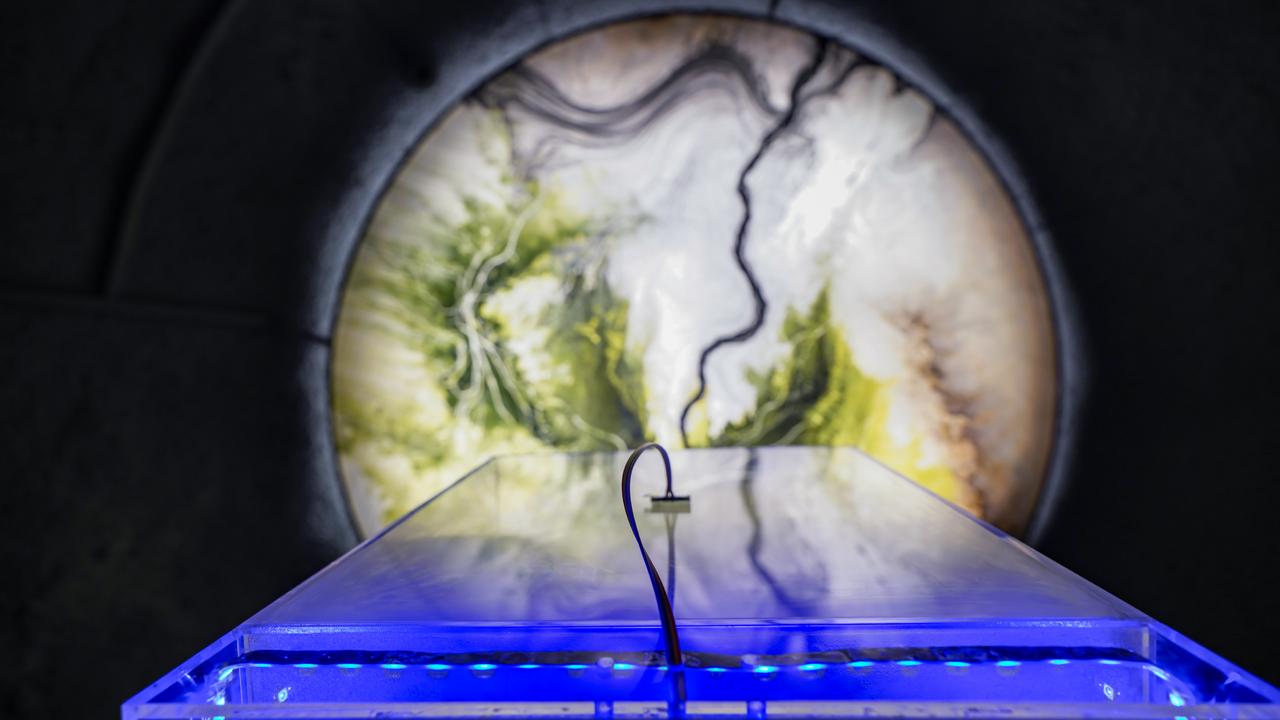
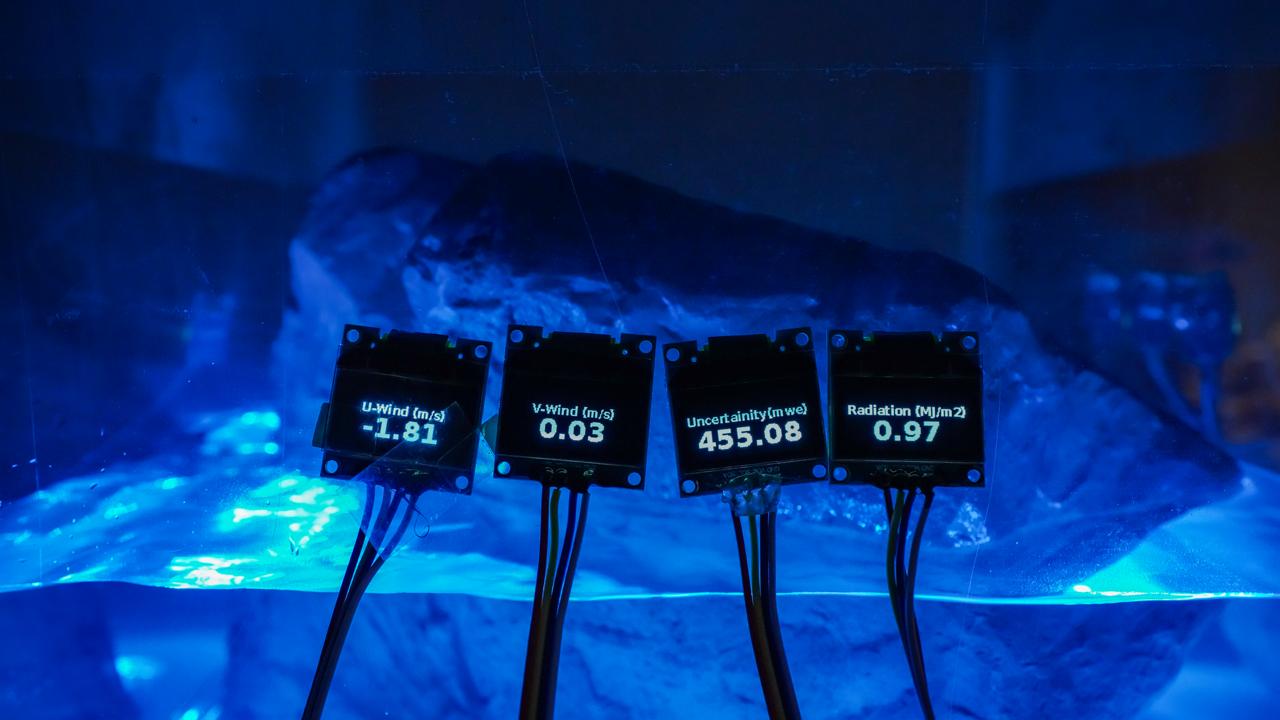
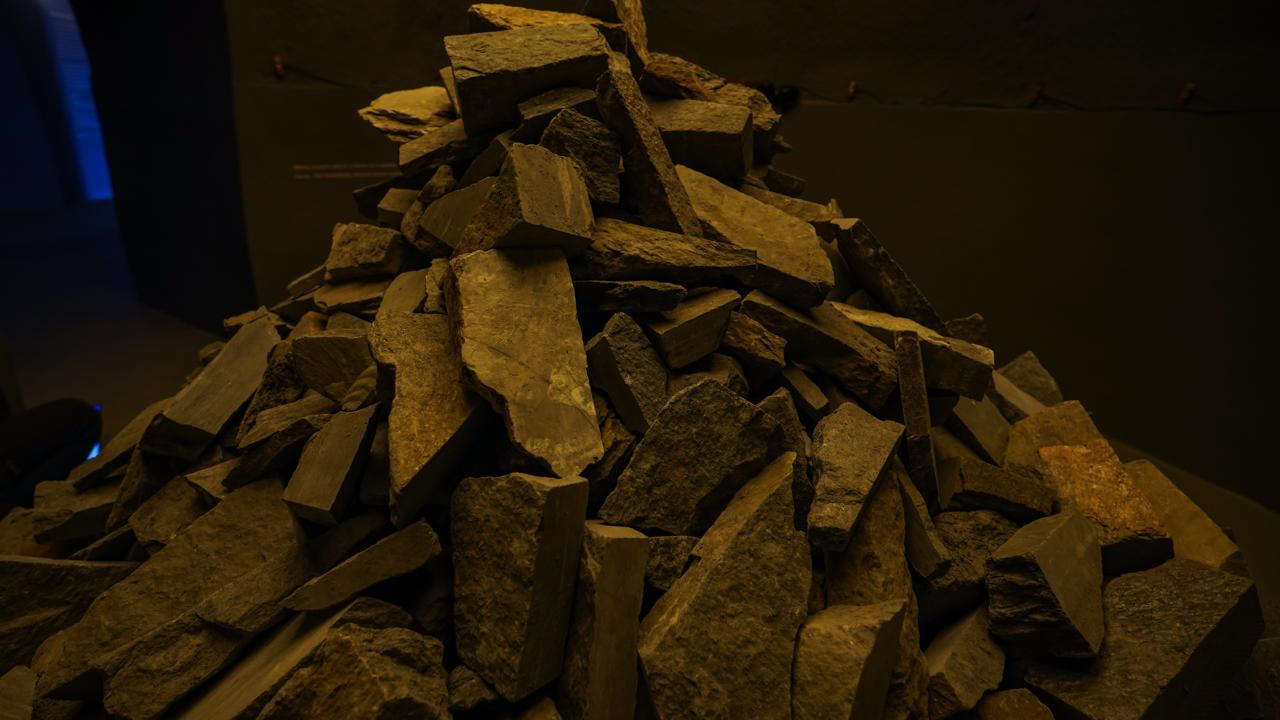
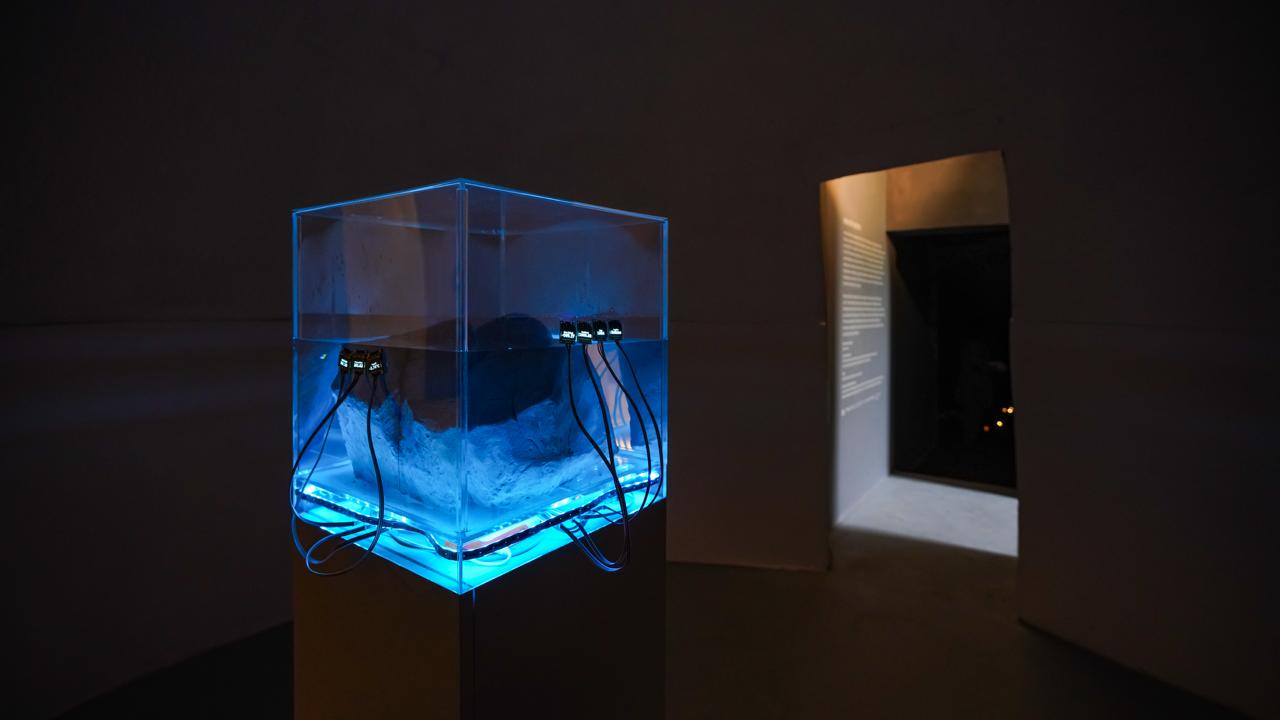
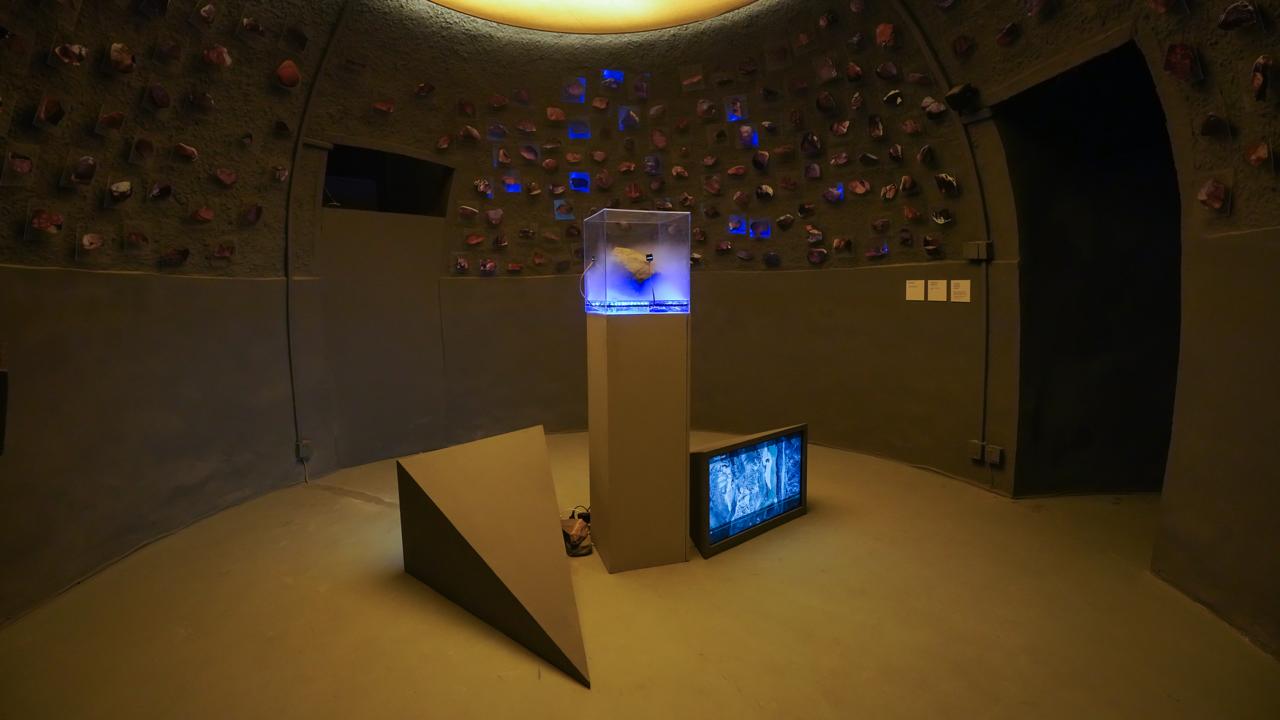
Eternal Imprints, a solo exhibition by Pakistani-Canadian hybrid artist and curator Faisal Anwar, founder of CultureLab.art, is built on a foundation of research by Dr. Taj, Dr. Neelis, and their teams. Over the past decade, Anwar has been exploring the intersection of art, science, data, emerging technology, and knowledge frameworks, bearing witness to ecological and cultural loss, not through documentation alone, but through encounter, through the kinds of immersive stories that data cannot tell by itself but cannot be told without it. Central to his practice is a commitment to developing artistic and poetic expression as a means of cultivating empathy for the climate and for Mother Earth, a way of discovering collective ecology and imagining climate futures. Through a futurist and speculative generative creative lens, Anwar explores what disappears when an ecosystem vanishes and what disappears when a cultural landscape is erased. Drawing on Taj and Neelis’s scholarship, he asks not only how we document what exists, but how we keep it present, not as data stored, not as loss mourned, but as something relived, still speaking, still waiting for the next hand to arrive at the rock face and add its mark. Eternal Imprints is the convergence of that decade-long inquiry with two scholars whose work is driven by the same urgency and deep regional commitment, where research becomes witness, and witness becomes art, exploring the future of cultural prediction.
While the dam moves forward, so does another kind of work: the slow, exacting task of recording what stands to be lost.
Dr. Jason Neelis, Associate Professor at Wilfrid Laurier University, has spent much of his scholarly life drawn to the margins of empires, the places where cultures met, traded, translated, and transformed one another. His long engagement with the Upper Indus and the broader Central and South Asian corridor, sustained over years of fieldwork alongside his collaborators, is shaped by a conviction that these landscapes hold some of the most complex, underexamined evidence of human interconnection on earth. His research carries a clear awareness that these sites are unstable, giving his scholarship the quality of witness as much as analysis.
Dr. Murtaza Taj, Associate Professor at the Lahore University of Management Sciences, has built one of the most sustained scholarly engagements with the Upper Indus corpus in Pakistan today. His work goes beyond decipherment. Alongside his team, he has spent years in the field and in the lab, developing digital methods to record, map, and preserve carvings that may soon be underwater, work that is as physically demanding as it is technically exacting, carried out on exposed rock faces in difficult terrain and against a hard deadline set by the rising reservoir. For Dr. Taj, the petroglyphs are not relics; they are an unfinished conversation between the past and a present running out of time to listen, and his team’s digitization work is what allows that conversation to continue after the stone itself is gone.
Together, Dr. Taj and Dr. Neelis, and the teams working alongside them, represent the quiet, painstaking labour behind every image in this exhibition: seasons of fieldwork, careful documentation, and the slow work of translating stone into something that can survive the water.
Collaborating Institutions
Collaborating Institutions: Lead Researchers Dr. Murtaza Taj, Associate Professor, Lahore University of Management Sciences, Pakistan. Dr. Jason Neelis, Associate Professor, Wilfrid Laurier University, Canada.
_
Research & Exhibition Partners: Lahore University of Management Sciences (LUMS), Wilfrid Laurier University (Canada), UNESCO, USAID, SSHRC (Canada), Waksaw–Uddiyana Archaeological Alliance, Robert H. N. Ho Family Foundation (Global), kickstart (Pakistan)
Team
Atiq Hashmi (LUMS), Muzammil Ahmed (LUMS)